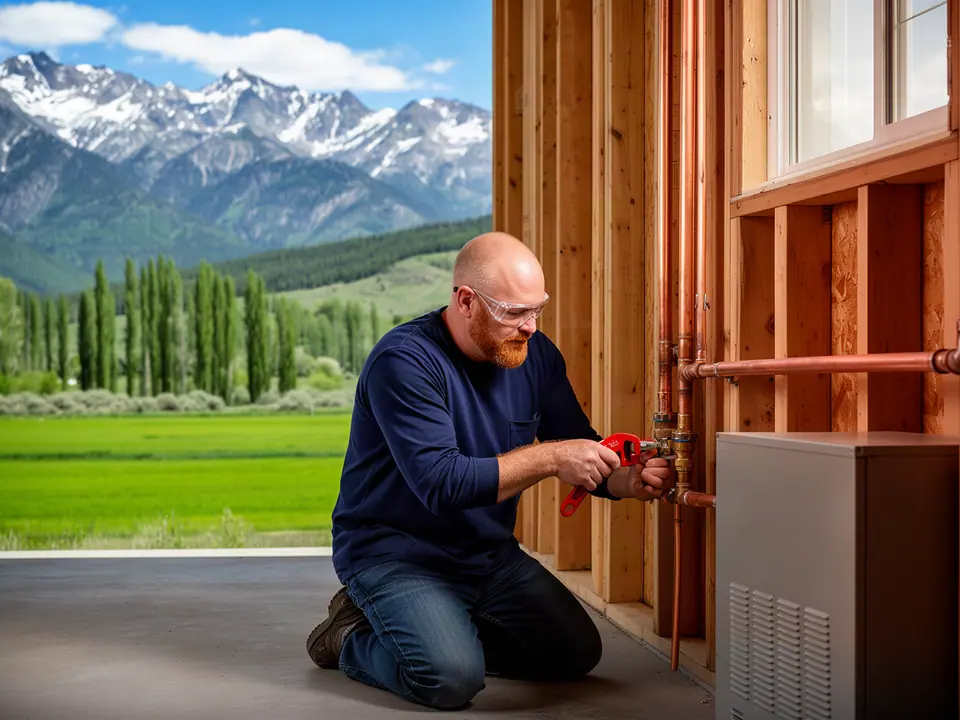
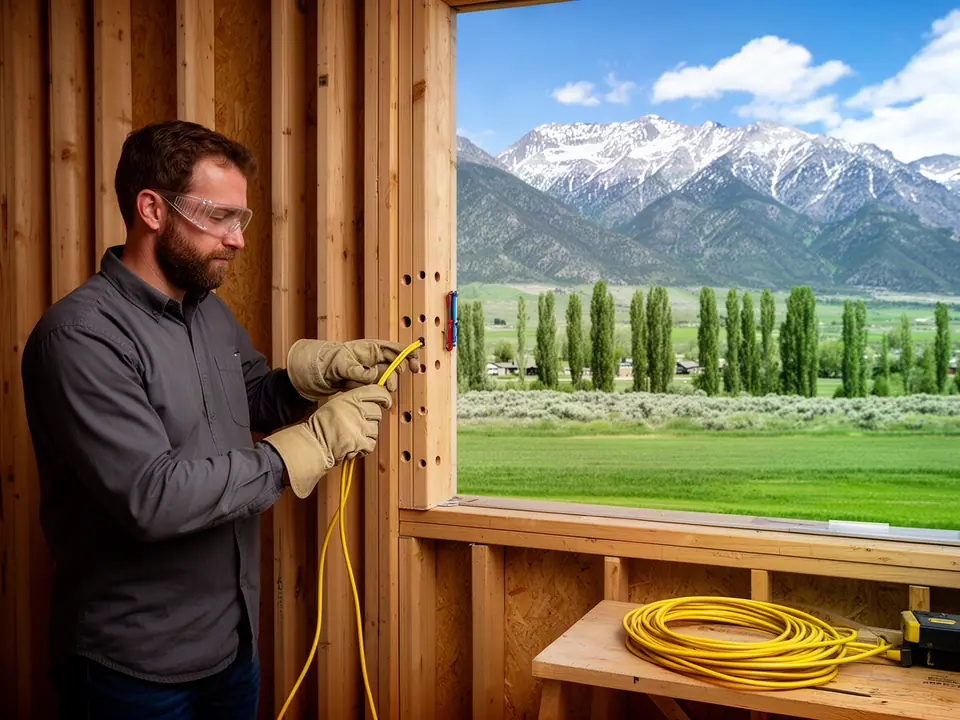
Builders and specialty trades carry crews and materials ahead of draws.
Contractors and builders
Construction led Cache County with 658 employer establishments in 2023 (CBP), and 69.6% had fewer than five employees. Builders carry materials and crews between draws, with retainage held to the end. Read contractor business loans for draws, retainage and the working capital arithmetic.
A typical request pairs a working capital loan for the first two draws of a new job with equipment financing for a machine the job needs. Partners read the draw schedule, the owner's payment record and how retainage has been released on past jobs.
Residential home builders
Residential building contractors numbered 173 employer establishments in 2023, 74.6% of them under five employees, plus 253 without payroll in 2024 (NES, a separate count). Spec and custom builders often pair a line of credit for draws with equipment financing for machines; the contractor page covers both.
Spec builders carry land, permits and materials until a sale closes, while custom builders wait on a homeowner's lender at each stage. Both should keep a job-by-job cost sheet; it shows a partner how money flows out and back on each house.
Painting, flooring and drywall contractors
111 building finishing employer establishments worked in Cache County in 2023 (CBP), and their payment arrives last on the job. Material deposits and punch lists are the pinch points. Read more under funding for finishing trades.
The typical crew is small, 70.3% under five employees, and works for several general contractors at once. A short list of which GCs pay on time, and how long each takes, is a document a finisher should bring.
Plumbing and HVAC contractors
64 plumbing, heating and air-conditioning employer establishments, with 440 employees, ran service vans and install crews in 2023 (CBP). Vans and parts stock drive their funding needs. Read plumbing and HVAC business loans for the details.
Shops split their income between new-build installs on draw schedules and service calls paid at completion, and partners read the two streams differently. Maintenance agreements add a steady base that is easy to see in deposits.
Electrical contractors
51 electrical contractor establishments employed 597 people in 2023 (CBP), roughly twelve per firm, so payroll between draws is the large number. Read more under electrician business loans.
Commercial work brings pay-when-paid clauses and longer retainage than residential trim-outs. A firm running both should list receivables by job type, so a partner can see which money arrives in weeks and which in months.
Other specialty trades
73 other specialty trade contractors, the Census group for trades such as site preparation and specialty installation, had employees in 2023, 78.1% of them small (CBP), and 265 more worked without payroll in 2024 (NES). Equipment and trailers are the common requests; the contractor page covers the cash cycle.
Excavation, concrete, fencing and similar crews depend on a few machines and a trailer or two. When one breaks down, the replacement decision is urgent, and having a dealer quote and the old unit's payoff in hand shortens the conversation.
Commercial and nonresidential builders
Only 24 nonresidential building contractors had employees in Cache County in 2023 (CBP), but their projects are larger and slower to pay, with longer retainage. Lines of credit and working capital are the usual tools; see the construction page.
Bonding, owner-held retainage and change orders make these jobs the slowest to close out. Partners will usually want the contract, the schedule of values and an aging report that separates billed work from retained amounts.
Roofing contractors
Roofers are a small group locally: 15 roofing firms with payroll in 2023 (CBP). Roofing jobs are short and material-heavy, with shingles and underlayment bought before the tear-off. Material and crew costs usually point to working capital; trucks and dump trailers to equipment financing.
Roofing jobs can follow storms or insurance claims, which means the homeowner's insurer pays on its own timeline. Keep claim numbers and adjuster contacts with each receivable; they help a partner see when money is likely to arrive.